

Berita
Rumah / Berita / Berita Industri / Cara Menyulam dengan Mesin: Panduan Pemula untuk Benang, Penstabil & Gelung
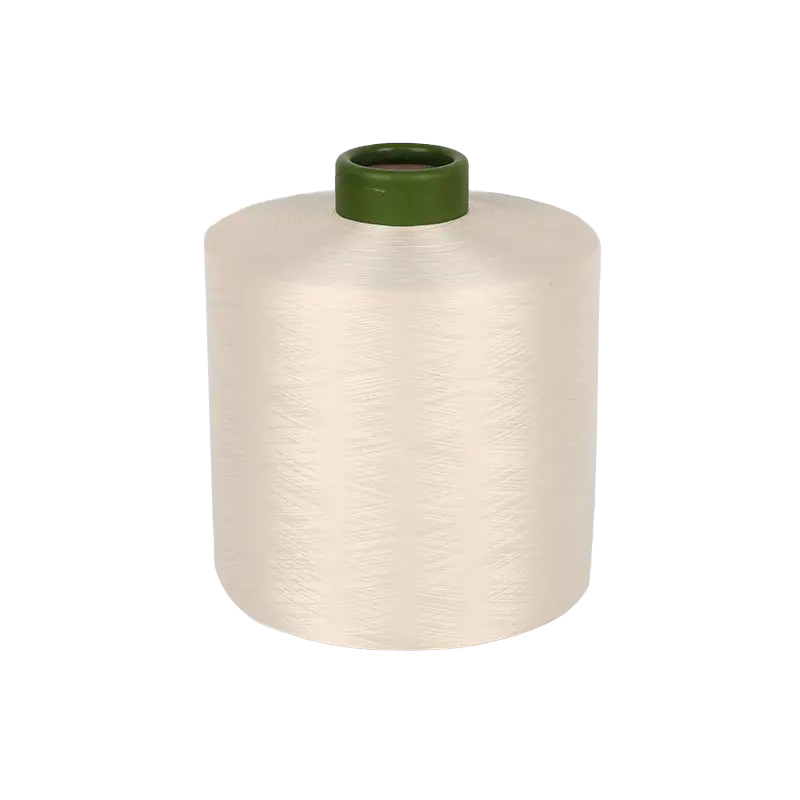
75/36 100% benang elastik 20d Denier Benang Benang Udara: Teknologi Inovatif Meningkatkan Breabrabe Fabric
Jun 06,2025
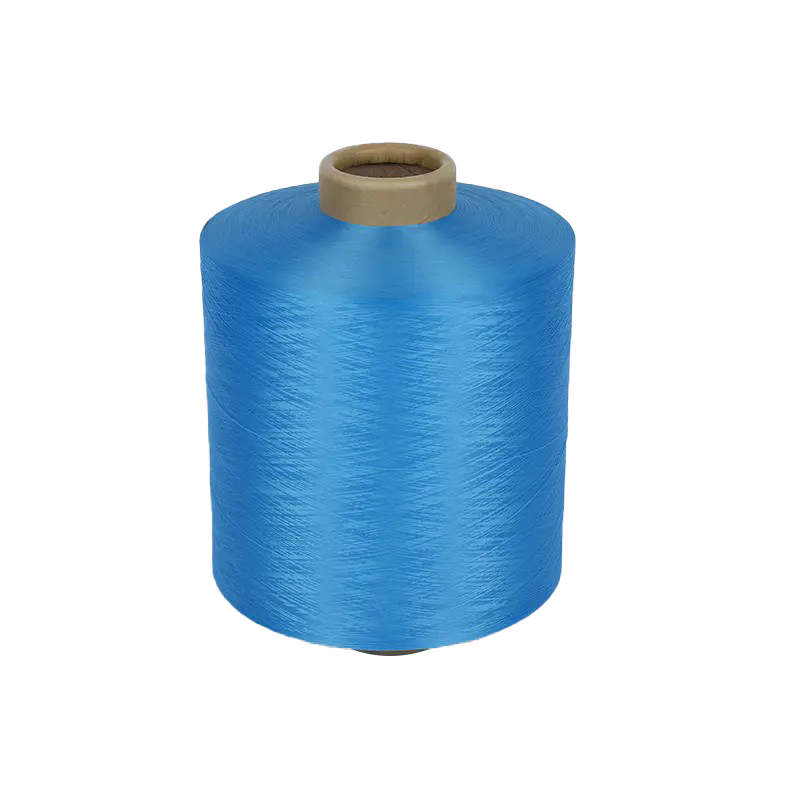
Membongkar Ketahanan: Mengapa benang sulaman poliester memerintah tertinggi
Jun 06,2025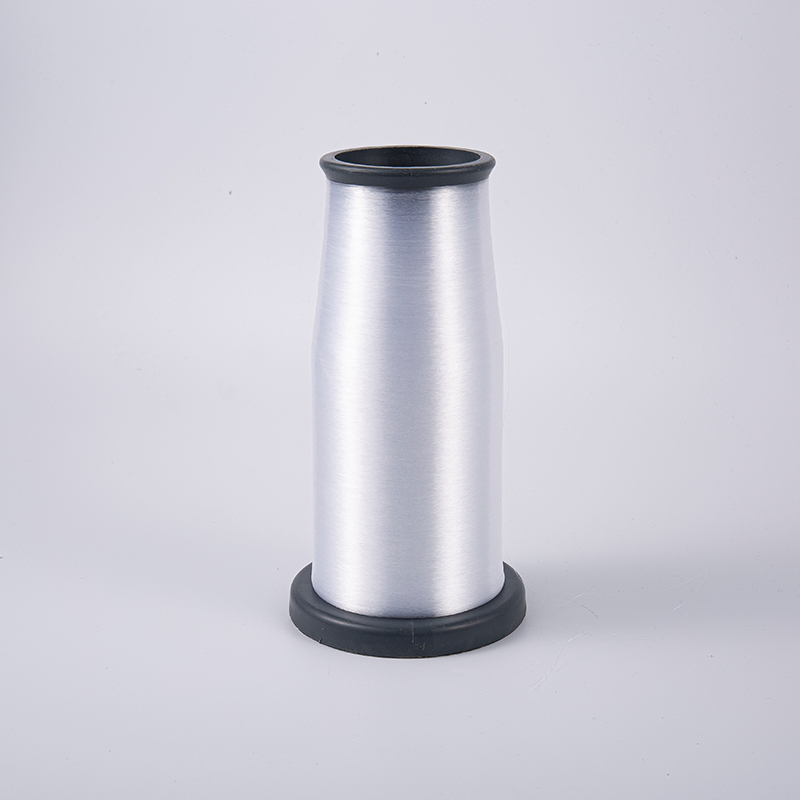
Kekuatan Nonwovens: Bagaimana Fabrik Bukan Tenun Mengaruh Kehidupan Moden
Jun 06,2025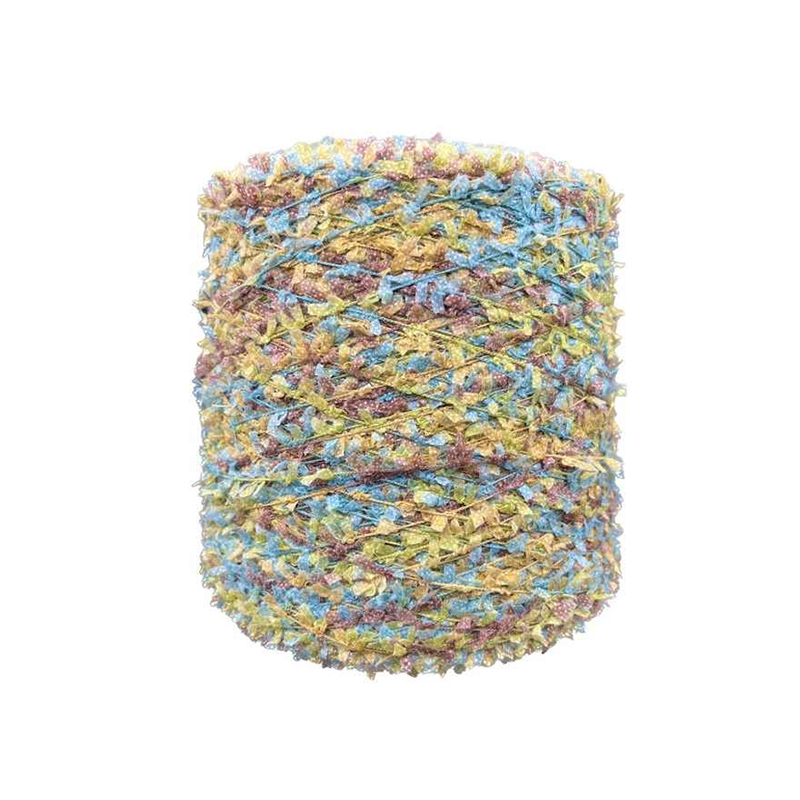
Dari Kekuatan ke Perlindungan: Panduan Prestasi dan Pemilihan Kabel Nylon untuk pelbagai aplikasi
Jun 06,2025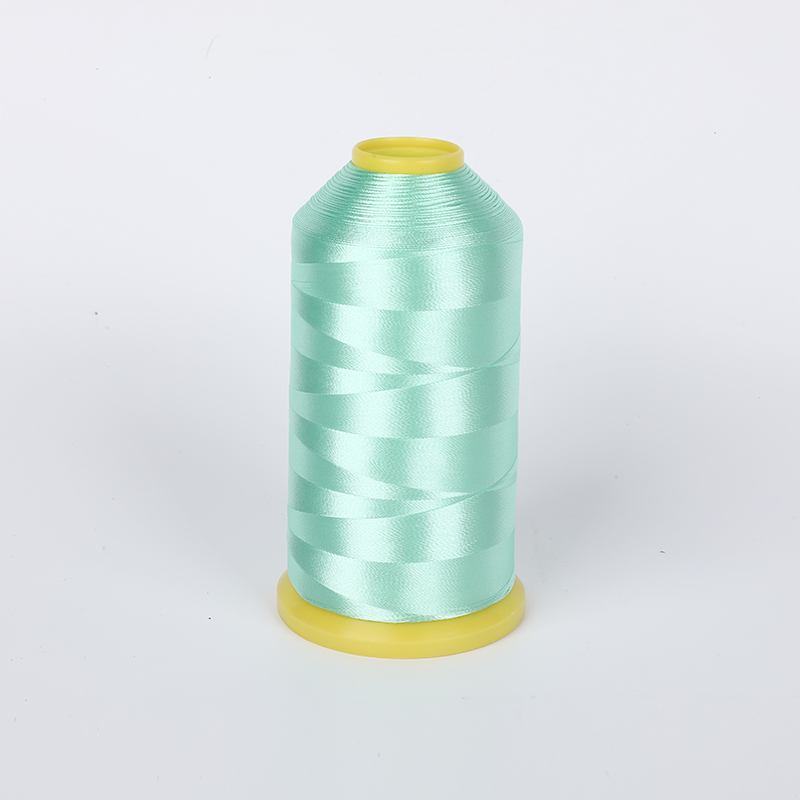
Cara kreatif untuk memasukkan benang sequin ke dalam reka bentuk pakaian untuk kesan visual yang menakjubkan
Jun 06,2025 Anda membuka kotak mesin sulaman, memasang sehelai kapas, mula ditekan, dan reka bentuk ujian keluar dengan gelung di atas, sarang di bawah, dan jarum patah pada jahitan 200. Setiap mesin sulam telah melalui jam pertama itu. Mesin jarang rosak; penyediaannya ialah. Sulaman mesin yang boleh dipercayai terdiri daripada empat pembolehubah yang anda kawal sebelum jarum jatuh: benang dan ketegangan yang betul, benang yang sesuai dengan reka bentuk, penstabil yang dipadankan dengan fabrik dan gelung yang memegang segala-galanya rata dan persegi. Kebanyakan kegagalan pemula menjejak kembali ke satu saat: benang atas diulirkan dengan kaki penekan ke bawah, jadi cakera ketegangan tidak pernah ditutup pada benang. Sentiasa benang laluan atas dengan kaki penekan dinaikkan, kemudian turunkannya sebelum anda menjahit. Gambar rajah penyusutan dalam manual mesin anda patut diikuti setiap kali, walaupun anda telah melakukannya seratus kali; satu panduan yang dilangkau mengubah ketegangan sepenuhnya. Angin gelendong sama rata pada kelajuan yang disyorkan; gelendong berketul-ketul menghasilkan bahagian bawah yang tidak rata dan menuju ke sarang burung yang biasa di bahagian belakang kain. Use a bobbin thread designed for embroidery, not the same cone as the top thread. A lightweight 150D polyester bobbin thread lies flat on the back, prevents bulky nesting, and stops the bobbin from pushing the top thread out of alignment. Keep the bobbin tension at the factory setting unless the test stitch shows loops pulling to the surface. Tetapkan ketegangan atas kepada nilai lalai mesin, biasanya sekitar 4.0, dan tukar satu nombor pada satu masa. Terlalu ketat dan fabrik berkerut; terlalu longgar dan gelung benang atas. Ketegangan yang betul ialah yang menghasilkan jahitan yang rata dan seimbang pada fabrik tepat yang anda rancang untuk menyulam. Kualiti benang menentukan kekerapan anda berhenti untuk mengulang semula. Benang yang dipintal dengan buruk melepaskan serabut, pecah pada kelajuan tinggi dan menghasilkan litupan warna yang tidak sekata. Kedai sulaman profesional mengutamakan poliester untuk pakaian boleh pakai dan tekstil rumah kerana ia mengekalkan warna melalui basuh berulang dan tahan lentur. Rayon mempunyai kilauan yang lebih dalam, tetapi ia lebih lemah dan lebih sensitif kepada kelembapan. Untuk aplikasi komersil yang melihat kerap mencuci, poliester adalah pilihan yang lebih selamat; rayon lebih baik dikhaskan untuk seni dinding dan kepingan paparan. Berat sama pentingnya dengan bahan. Benang 40 wt ialah standard untuk huruf, monogram, dan isian sederhana. Benang tebal 30 wt menutupi kawasan satin tebal dengan cepat; benang halus 60 wt sesuai dengan huruf kecil dan butiran halus. When buying thread, check color consistency between cones and twist balance. A smooth, tightly twisted filament thread runs cleanly at high needle speeds. Our 40-weight embroidery thread range is a dependable place to start; for high-speed machines, 120D/2 polyester embroidery thread gives the smooth, lint-free run that prevents slowdowns. Penstabil menghalang fabrik daripada meregang, berkerut dan herot di bawah beribu-ribu penembusan jarum. Jahitan terlangkau dan tepi satin beralun biasanya merupakan isu penstabil, bukan masalah mesin. A common mistake is treating tear-away as a universal option. On a knit fabric, tear-away removes the support the stitches need, so the design puckers after the first wash. For dense designs, use a firmer stabilizer or add a second layer. For freestanding lace, a 90°C hot-water-soluble non-woven fabric holds the stitches during stitching and disappears completely after a warm-water rinse, leaving clean edges. Fabrik dalam gelung sepatutnya berasa seperti kepala dram: cukup ketat untuk menahan tolak jarum ke bawah, tetapi tidak diregangkan sehingga tenunan itu herot. Jika kain tenunan menunjukkan garis bijian beralun selepas gelung, reka bentuk akan herot tidak kira betapa baiknya benang itu. Terapung berguna untuk tuala tebal atau sutera licin, tetapi untuk projek pertama anda, gelungkan fabrik dan penstabil bersama-sama. Ingat bahawa gelung itu longgar semasa anda menjahit. Jika fabrik mula terasa kendur, hentikan, gelung semula, dan mulakan semula; kehilangan masa yang sedikit adalah jauh lebih murah daripada pakaian yang rosak. Sentiasa menjahit sekeping ujian. Ia berharga empat minit dan menjimatkan berjam-jam untuk menyahpilih. Gunakan fail reka bentuk yang tepat, warna benang, fabrik, penstabil dan jarum yang dirancang untuk bahagian akhir. Jarum sulaman lebih penting daripada yang dijangkakan oleh penyulam baru. Gunakan jarum sulaman yang tajam untuk fabrik tenunan dan jarum mata bola untuk mengait. Gantikan jarum selepas setiap projek atau setiap lapan jam jahitan; jarum tumpul memecahkan benang dan melangkau jahitan. Pemeriksaan ini menyelesaikan kebanyakan kegagalan dalam enam bulan pertama. Setelah benang, penstabil dan gelung disusun, mesin menjadi boleh diramal: persediaan yang sama menghasilkan kualiti jahitan yang sama setiap kali. Machine embroidery rewards a methodical workflow. Start with a dependable 40 wt polyester thread, stabilize the fabric correctly, hoop without distortion, and run a test before every real project. Keep a note of the settings that work for each fabric family. Whether you stitch on a domestic model or plan to scale to a production floor, the logic stays the same; if you are using a household machine, this guide to home embroidery machine use covers the setup details specific to those models.
Sediakan Mesin dengan Betul Sebelum Anda Menjahit
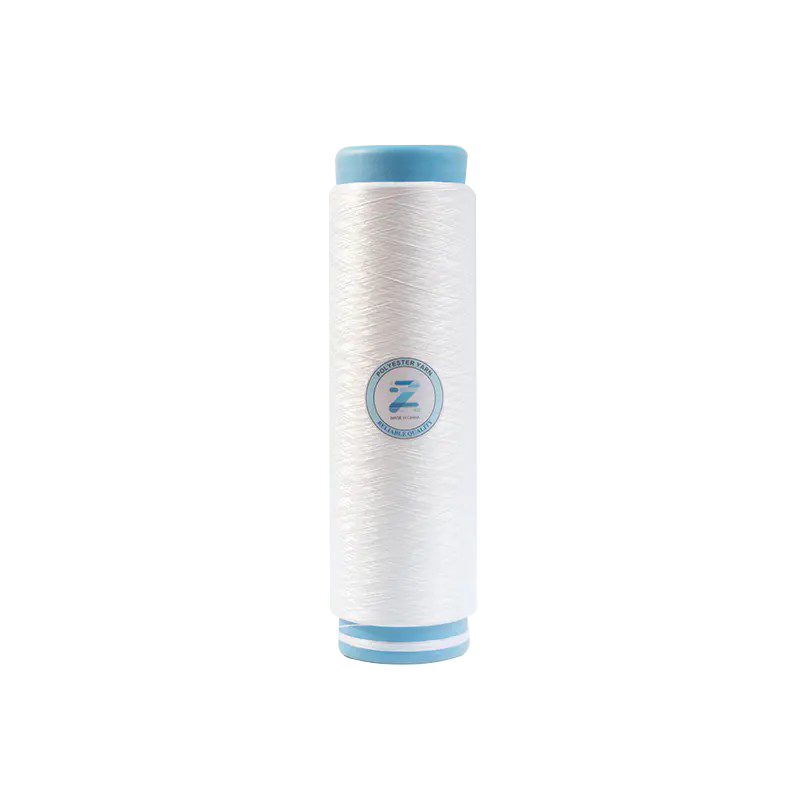
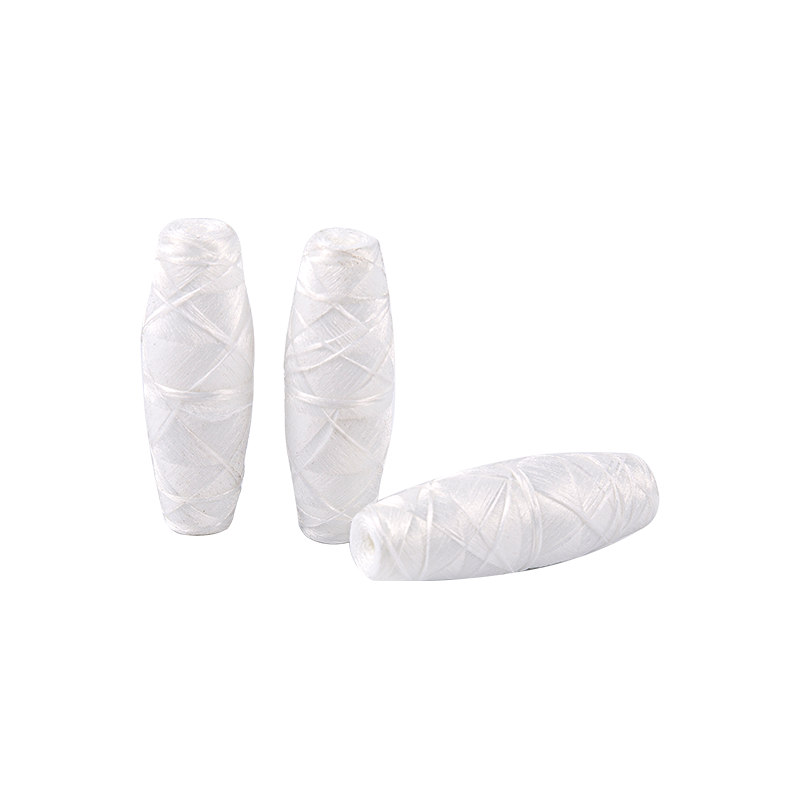 Wholesale 150D Polyester Bobbin Thread,P10 Suppliers, Factory - Shaoxing Qiufei Shaoxing Qiufei Textile Technology Co., Ltd is China wholesale 150D Polyester Bobbin Thread,P10 manufacturers and factory, details:The sm...View Product →
Pilih Benang Sulaman yang Tepat untuk Reka Bentuk
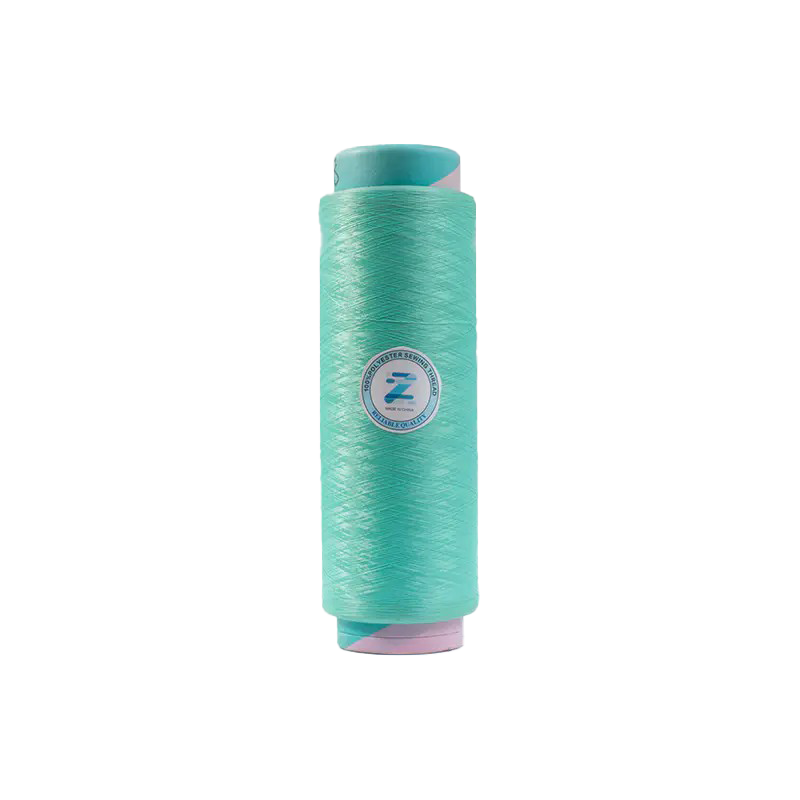
 Wholesale Polyester Filament Embroidery Thread 120D/2 Suppliers, Factory - ShaoxShaoxing Qiufei Textile Technology Co., Ltd is China wholesale Polyester Filament Embroidery Thread 120D/2 manufacturers and factory, det...View Product →
Padankan Penstabil dengan Fabrik
Stabilizer type Best for How to remove
Tear-away Stable woven fabrics such as cotton poplin, denim, and linen Tear it away from the design after stitching
Cut-away Knits, stretchy fabrics, and anything with give Trim close to the stitches with scissors; backing stays permanently
Water-soluble Freestanding lace, sheer fabrics, and projects where no backing may remain Dissolve in warm water
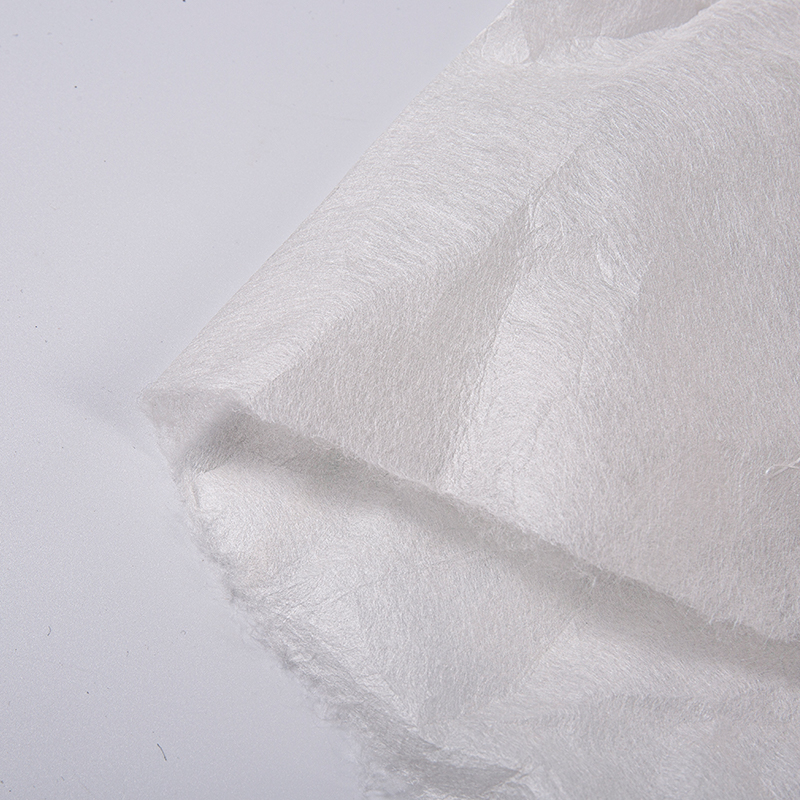 Embroidery Water Soluble Non Woven Fabric Suppliers, FactoryAs China Water Soluble Non Woven Fabric Suppliers and Factory, Shaoxing Qiufei Textile provide wholesale 90C Hot Water Soluble Non Woven ...View Product →
Gelungkan Fabrik Supaya Kekal Rata dan Segiempat
Jahit Ujian, Kemudian Baca Apa yang Diberitahu Mesin kepada Anda
Cara Menyulam Logo: Panduan Langkah demi Langkah untuk Hasil Bersih dan Berkekalan Setiap Masa
2026-08-19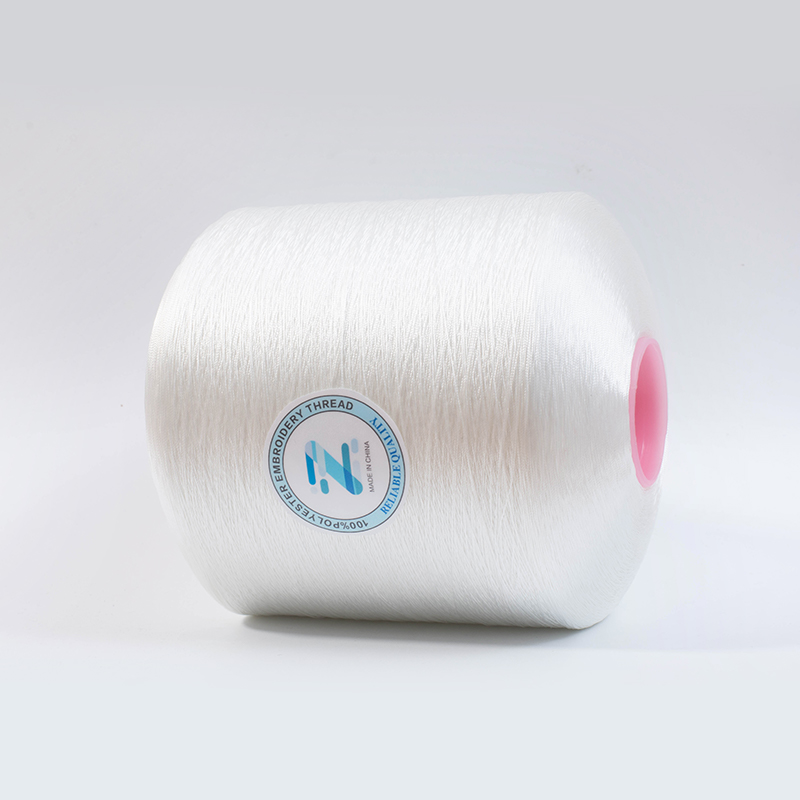
Cara Mendigitalkan untuk Sulaman: Panduan Langkah demi Langkah untuk Menjahit Fail dan Persediaan Benang
2026-09-02Alamat e -mel anda tidak akan diterbitkan. Bidang yang diperlukan ditandakan *
*Menunjukkan medan yang diperlukan
Hak Cipta ©
Shaoxing Qiufei Textile Technology Co., Ltd.